Choosing the correct dumpster size is one of the most important steps when planning any cleanup or construction project. Many homeowners in Utah County rent dumpsters only once or twice, which makes it difficult to know how much space will actually be required. Whether you’re preparing for a home cleanout, remodeling project, or construction job, selecting the right size helps prevent overfilling, delays, and unnecessary expenses. Understanding how dumpster rental in Utah County works before debris begins to pile up can make your entire project far more efficient. This guide breaks down dumpster sizes in simple terms so you can choose confidently.
Why Dumpster Size Matters More Than You Think
Dumpster size affects more than just how much debris fits inside. It also impacts pricing, weight limits, loading safety, and project timelines. When a dumpster is too small, debris often ends up stacked above the rim, which can delay pickup or require a second container. When it’s too large, you may pay for space you never needed. Finding the right balance is the key to efficient waste removal in Mapleton and surrounding Utah County areas. Most project problems related to dumpsters come from underestimating volume rather than overestimating it.
Understanding Common Dumpster Sizes
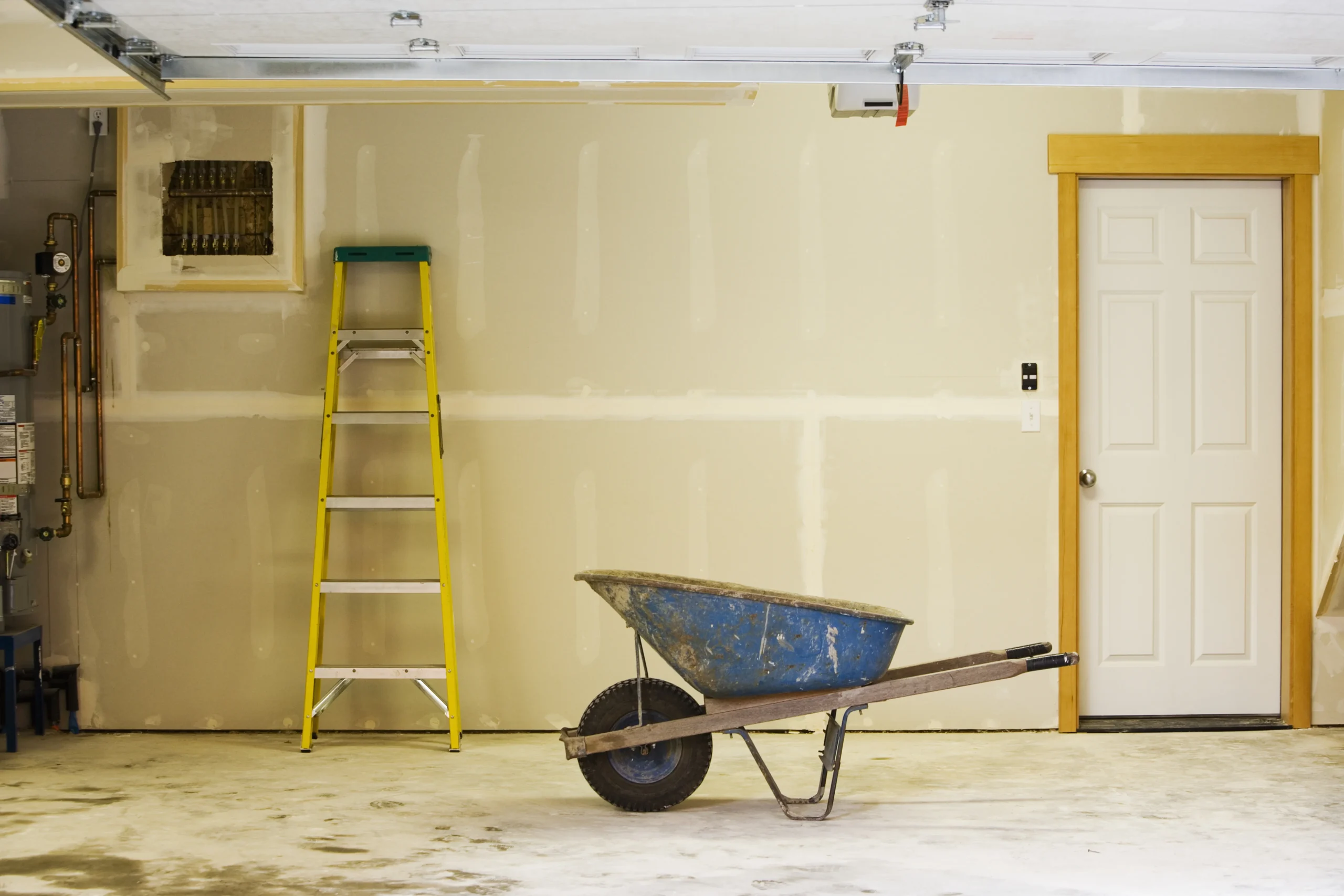
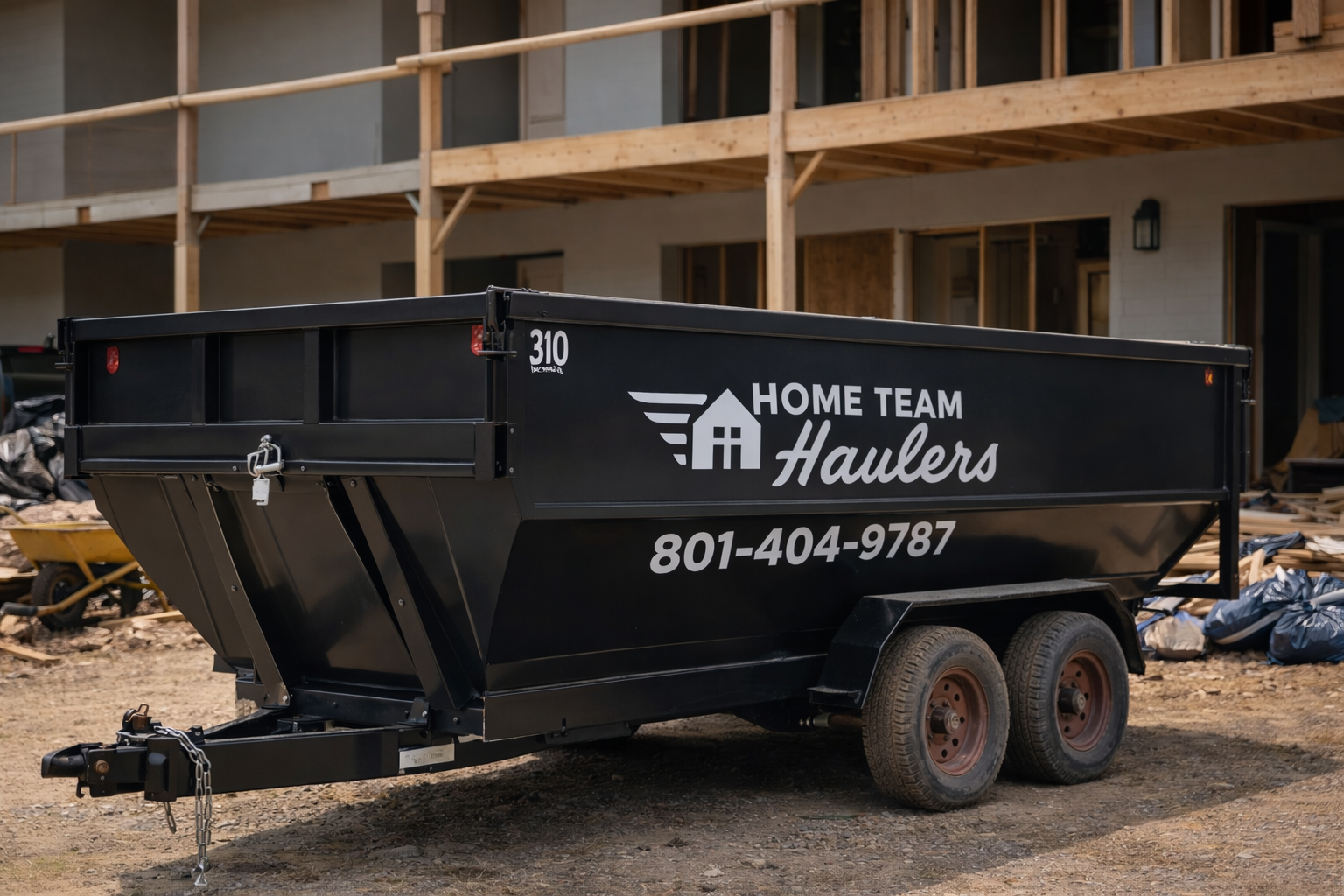
Dumpster sizes are measured in cubic yards, which represent the total volume of material the container can hold. While the numbers may seem abstract at first, they become easier to understand when connected to real-life projects. A 15-yard dumpster is often used for smaller residential cleanouts. It works well for garage cleanups, attic decluttering, and light remodeling projects where debris volume is limited but still too large for household trash bins. A 20-yard dumpster is one of the most commonly rented sizes across Utah County. It provides enough space for flooring removal, kitchen renovations, roof replacements, and larger cleanouts. Homeowners often choose this size because it offers flexibility without taking up excessive driveway space.
Larger dumpsters are typically used for construction or major renovation projects. These containers are ideal when debris includes framing lumber, drywall, and demolition materials generated over several days or weeks.
Understanding which dumpster size fits your project helps reduce both cost and stress.
Choosing a Dumpster for Home Cleanouts
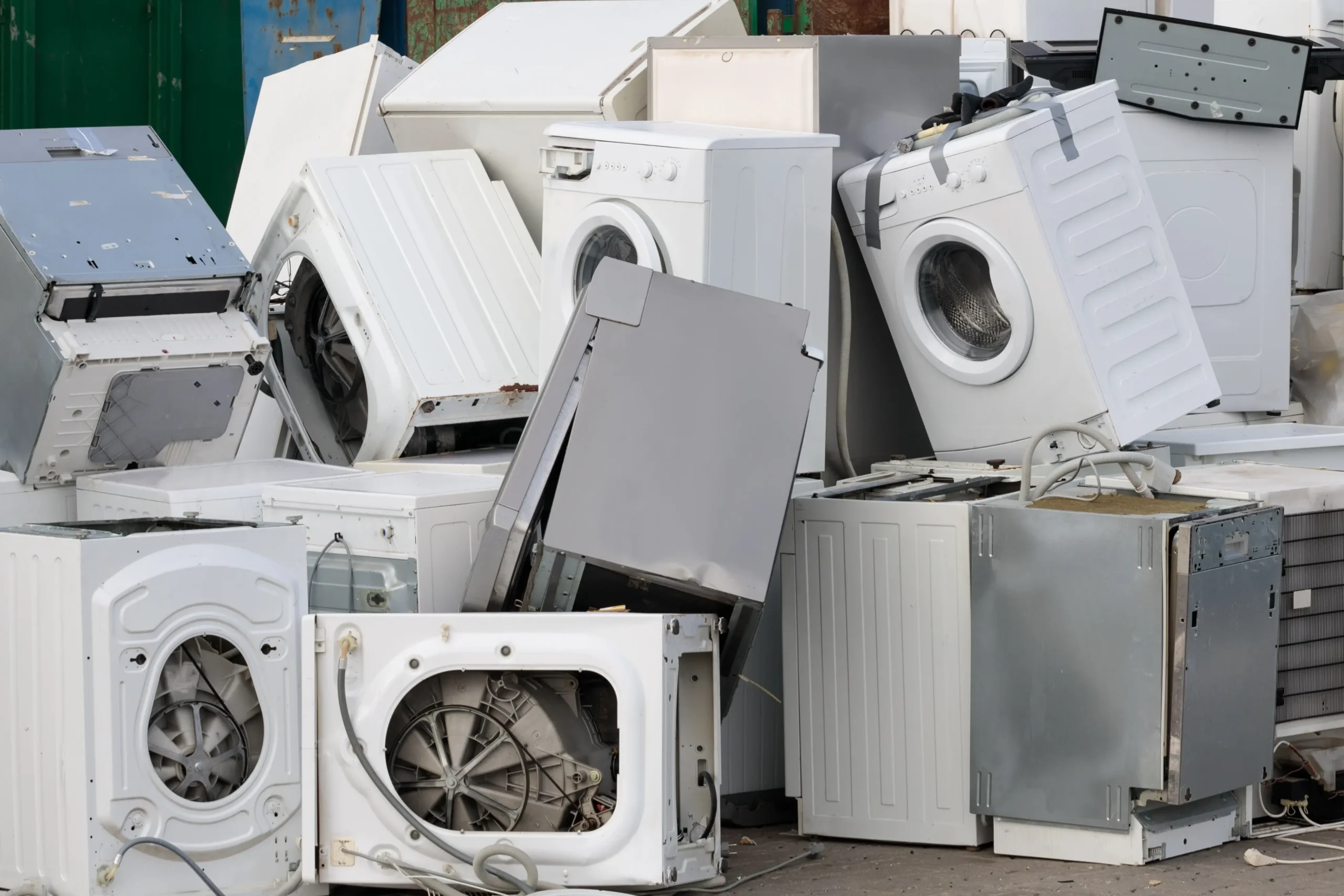
Home cleanouts are one of the most common reasons people rent dumpsters in Mapleton. These projects often involve old furniture, boxes, appliances, and accumulated household items that build up over the years. For most residential cleanouts, a 15 to 20-yard container is sufficient. The key factor is how much bulky material is involved. Furniture and mattresses take up far more space than loose trash, which is why estimating volume rather than weight is important. During cleanouts, breaking down items before loading can help maximize usable space and prevent overflow.
Dumpster Sizes for Remodeling Projects
Renovation projects generate more waste than many homeowners expect. Drywall, flooring, cabinets, and trim pieces accumulate quickly once demolition begins. For bathroom or small room remodels, a smaller dumpster may work. However, full kitchen renovations or multi-room upgrades usually require a 20-yard container or larger. Using the correct dumpster rental for remodeling projects helps keep work areas organized and improves safety throughout the job.
Construction and Contractor Dumpster Needs
Construction projects require consistent waste management to maintain efficiency and safety on site. Contractors across Utah County rely on properly sized dumpsters to manage debris from framing, siding, roofing, and demolition. Larger containers allow crews to work without interruption and prevent debris from spreading across the job site. Choosing the right construction dumpster rental in Utah County helps projects stay on schedule while maintaining professional standards.
How Weight Limits Affect Dumpster Selection
Dumpster rentals include weight allowances that vary depending on size and debris type. Heavy materials such as concrete, dirt, and roofing shingles can quickly reach weight limits even if the dumpster appears half full. Understanding how material density affects disposal is essential when choosing a dumpster. When projects involve heavy debris, selecting a slightly larger container often reduces the risk of additional fees.
The U.S. Environmental Protection Agency provides guidance on responsible material disposal and waste management through its Sustainable Materials Management program:
Proper disposal not only avoids issues during pickup but also supports environmental responsibility across Utah communities.
When to Choose a Larger Dumpster
Many homeowners worry that choosing a larger dumpster will automatically increase costs. In reality, ordering a slightly larger container can often be more economical than needing a second haul. If your project includes multiple debris types or will take place over several days, extra capacity provides flexibility and peace of mind. When in doubt, choosing the next size up usually leads to fewer complications.
Final Thoughts
Choosing the correct dumpster size plays a major role in how smoothly your project runs. From home cleanouts and remodeling to construction work, the right container helps prevent delays, reduce costs, and keep properties organized. Understanding dumpster sizes before your project begins makes dumpster rental in Utah County simpler, safer, and far less stressful. With the right planning, waste management becomes one of the easiest parts of your entire project.
Frequently Asked Questions About Dumpster Sizes in Utah County
What dumpster size do most homeowners use?
Most residential projects in Utah County use 15 or 20-yard dumpsters.
How do I know if my dumpster will be too small?
If debris must be stacked above the rim, the dumpster is likely undersized.
Can I mix different materials in one dumpster?
Yes, most household and construction debris can be mixed unless restricted.
Does a bigger dumpster mean higher weight limits?
Larger dumpsters usually include higher weight allowances.